13 Sep 2026
Regulatory Milestones That Redefined Certification Protocols for Digital Gaming Venues

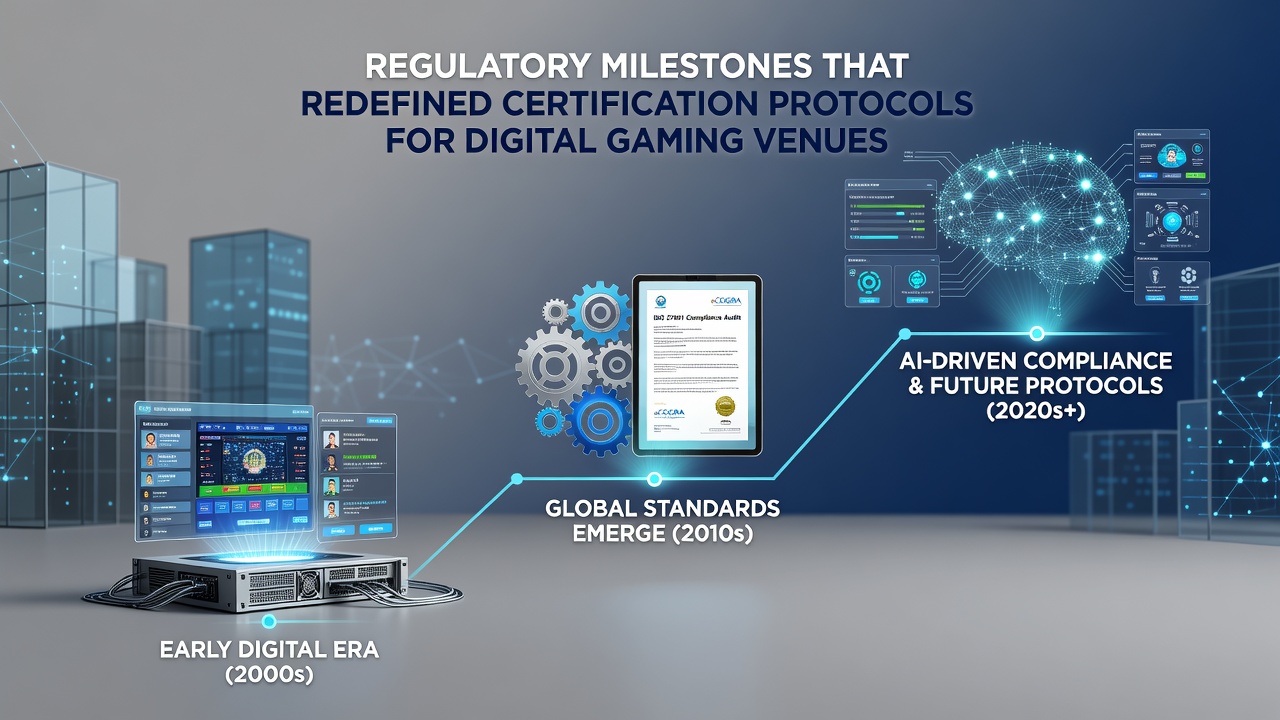
Regulatory frameworks for digital gaming venues have evolved through distinct phases since the late 1990s, with each milestone introducing stricter certification requirements that operators must meet before offering services across borders. Those who study these patterns note that early licensing systems focused primarily on basic operational standards, whereas later developments emphasized technical audits, player data protection measures, and ongoing compliance monitoring.
Foundational Steps in the Early 2000s
Authorities in Malta established one of the first comprehensive licensing regimes for online gaming in 2004, requiring venues to undergo independent technical assessments before receiving authorization to operate. This approach set a precedent that other jurisdictions later adopted, as regulators recognized the need for verifiable security protocols rather than self-reported compliance. Around the same period, the Kahnawake Gaming Commission in Canada began issuing certificates that demanded regular third-party reviews of software integrity and financial transaction safeguards.
These initial systems prioritized basic eligibility checks, yet they quickly revealed gaps in cross-jurisdictional recognition, prompting calls for more standardized evaluation criteria.
European Directives and Technical Harmonization
The European Union advanced regulatory coordination through updates to its gambling directives during the 2010s, which encouraged member states to align certification processes around common technical specifications. According to records from the European Commission, these changes required digital venues to demonstrate adherence to data encryption standards and responsible gaming tools before obtaining multi-country approvals. Observers note that such harmonization reduced duplication in audits while raising the baseline for what counted as acceptable certification evidence.
North American Developments After 2018
Following the repeal of the Professional and Amateur Sports Protection Act in the United States, individual states began crafting their own certification pathways, with New Jersey's Division of Gaming Enforcement emerging as an early model that required detailed system testing and financial reserve verification. Canadian provinces followed suit, and the Alcohol and Gaming Commission of Ontario introduced protocols that mandated continuous monitoring software as part of license renewal. These regional frameworks emphasized real-time reporting capabilities, which shifted certification from a one-time event into an ongoing process.
Research from academic institutions tracking these changes shows that venues operating under multiple licenses faced increased demands for unified reporting formats to satisfy overlapping requirements.
Updates Scheduled for September 2026
Regulatory bodies across several regions have outlined further refinements set to take effect in September 2026, including expanded requirements for algorithmic fairness testing and enhanced identity verification systems. Data compiled by industry associations indicates that these updates will incorporate elements from both the Australian Communications and Media Authority guidelines and recent Ontario standards, creating broader expectations around sustainable gaming practices. Venues seeking certification under the new rules must submit evidence of adaptive compliance mechanisms capable of responding to evolving threat assessments.
Conclusion
Each regulatory milestone has layered additional layers of scrutiny onto the certification process for digital gaming venues, transforming what began as basic licensing into multifaceted evaluations that span technical, financial, and operational dimensions. Those who track these developments recognize that the trajectory points toward greater interoperability between jurisdictions while maintaining rigorous local oversight. Future adjustments will likely build on the September 2026 implementations, continuing the pattern of incremental refinement that has characterized the field since its earliest regulatory structures.