8 Nov 2026
How Interconnected Regulatory Databases Are Reshaping Licensing Procedures for International Online Casino Providers
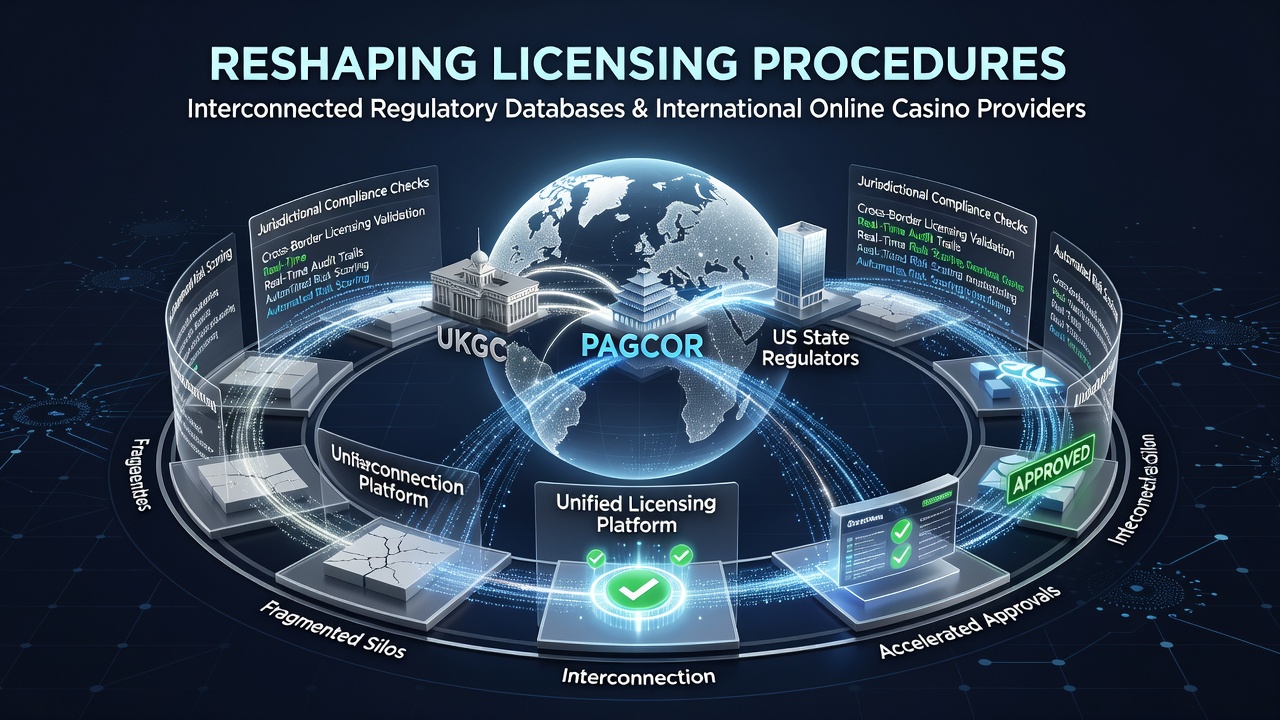
Regulatory databases once operated in isolation across different countries yet now connect through shared protocols that allow authorities to exchange operator records in real time which transforms how international online casino providers apply for and maintain licenses while reducing redundant paperwork and accelerating background verifications that used to stretch across months.
Building Shared Data Networks Across Borders
Authorities in Europe, North America, and parts of Asia have developed secure platforms that link licensing information from multiple jurisdictions so that an operator applying in one region triggers automatic checks against records held elsewhere and this setup emerged from agreements signed in recent years that prioritize data standardization over separate national systems.
Observers note that these networks pull together details on financial stability, past compliance issues, and ownership structures which means regulators can access comprehensive profiles without requesting the same documents repeatedly from the same company and the process cuts down on delays that previously slowed market entry for providers operating across several continents.
Streamlined Application Reviews and Faster Approvals
Licensing procedures now rely on centralized queries that pull verified data from interconnected sources so an application submitted in one jurisdiction automatically references checks completed by another authority which shortens the overall timeline from submission to decision and operators report fewer follow-up requests once the initial data exchange completes.
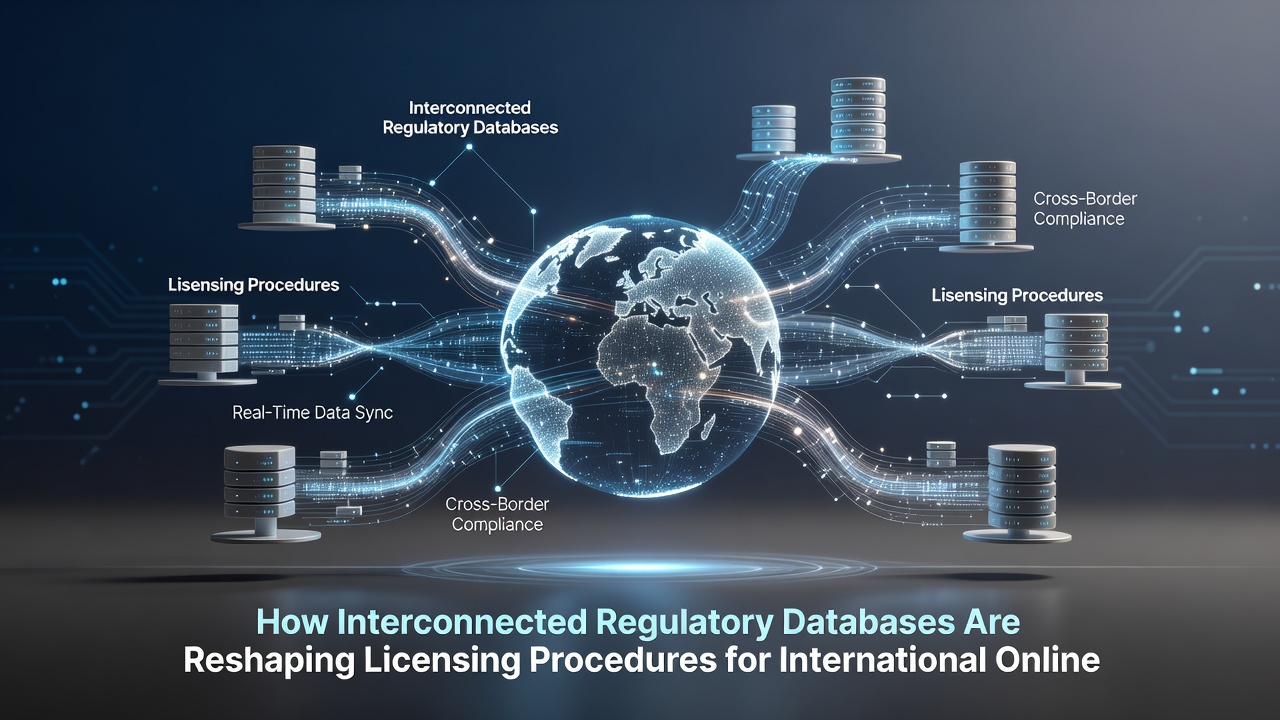
Research from cross-border working groups shows that average processing times dropped by significant margins in participating regions after these systems went live and the same data feeds also support ongoing monitoring which allows regulators to flag changes in an operator's status without waiting for annual renewal filings.
Enhanced Background Checks and Risk Assessment
International providers face more thorough yet efficient scrutiny because connected databases aggregate criminal records, tax compliance history, and previous license statuses from various countries into single reports that regulators review during the approval stage and this approach reduces gaps that isolated systems sometimes left open.
By November 2026 several additional jurisdictions plan to join existing networks which will expand coverage for operators seeking licenses in emerging markets and the move builds on current frameworks that already exchange information between European and select North American regulators.
Case Examples from Different Regions
Take one operator that applied simultaneously in Canada and a European member state where the shared database allowed both authorities to confirm the same ownership details and financial audits which eliminated duplicate submissions and led to coordinated decisions within weeks rather than separate cycles that once ran independently.
Another instance involved a provider flagged for minor issues in one jurisdiction that the interconnected system immediately surfaced for reviewers elsewhere preventing fragmented approvals that could have created compliance inconsistencies across borders and data from these exchanges has informed updates to application forms used by multiple agencies.
Technical Standards and Data Security Measures
Systems rely on encrypted channels and standardized data formats that participating regulators agree upon in advance so information moves securely without exposing sensitive details beyond authorized queries and audits of these platforms occur regularly to maintain trust among the connected parties.
Industry reports indicate that adoption of these protocols continues to grow with new participants testing integration points each quarter and the focus remains on balancing access speed with protection against unauthorized use while supporting the volume of applications that international casino providers submit annually.
Conclusion
Interconnected regulatory databases continue to alter licensing workflows by enabling direct data sharing that replaces slower manual exchanges and this shift supports more consistent oversight across borders without increasing the administrative burden on operators or authorities and the trend points toward further expansion as additional regions adopt compatible standards in the coming years.