25 Oct 2026
How Continental Gambling Authorities Coordinate Data-Sharing Networks to Streamline Operator Background Checks
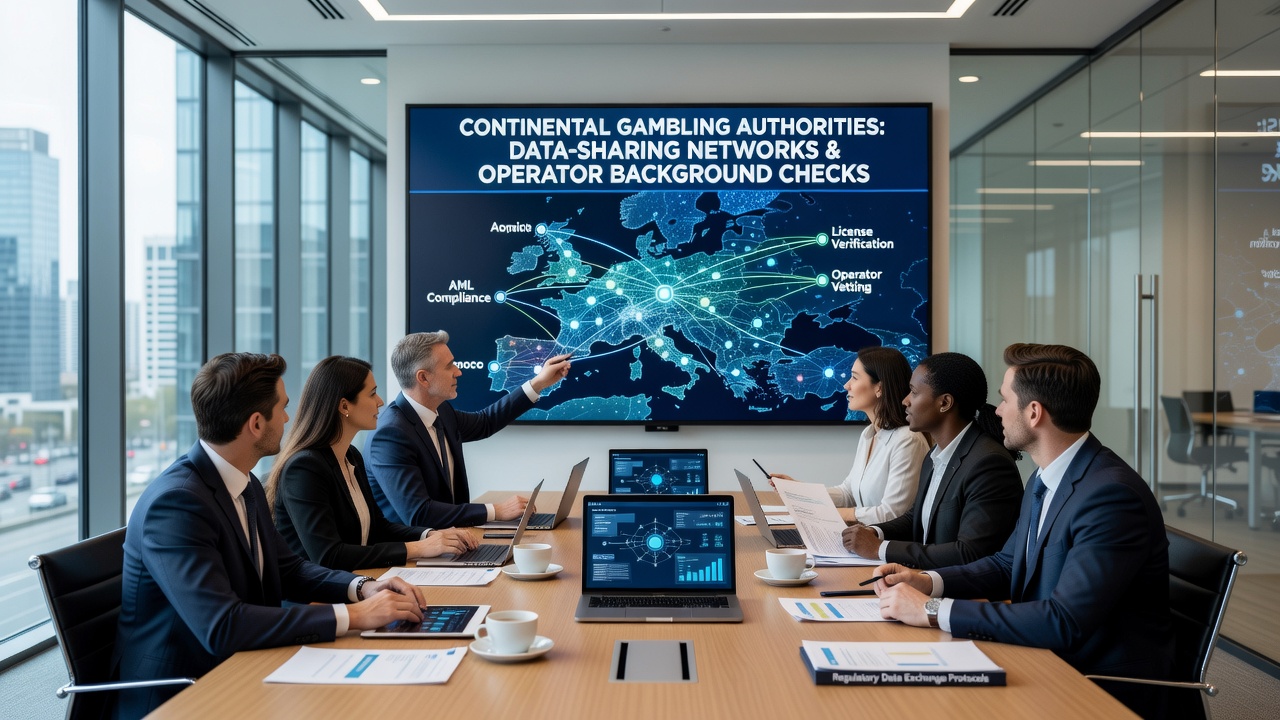
Continental gambling authorities across Europe maintain interconnected data-sharing networks that allow them to exchange verified information on operator backgrounds during licensing procedures, and these systems reduce redundant investigations while maintaining consistent standards for financial integrity, criminal record verification, and corporate governance assessments. Multiple national regulators participate in these frameworks because cross-border operators often apply for permissions in several jurisdictions simultaneously, which creates opportunities for coordinated checks that draw on centralized repositories maintained by bodies such as the European Gaming and Betting Association.
Core Components of the Data-Sharing Infrastructure
Secure portals form the backbone of these networks, and they connect licensing departments in countries including Malta, Sweden, the Netherlands, and Germany through encrypted channels that transmit standardized data fields on company directors, beneficial owners, and key personnel. Protocols require each participating authority to upload results from initial screenings conducted by independent third-party firms, which means subsequent reviewers can access prior findings without repeating full due-diligence cycles. Data formats follow common templates developed through joint working groups, and these templates cover categories such as tax compliance history, litigation records, and source-of-funds documentation.
Technical Standards and Access Controls
Authorities enforce role-based access rules that limit information visibility to authorized licensing staff, and audit logs record every query to ensure accountability under data-protection regulations like the GDPR. Encryption standards meet requirements set by European cybersecurity directives, which helps prevent unauthorized interception during transfers between national databases. Regular penetration testing conducted by independent firms verifies that the networks resist external threats, and findings from these tests feed into annual protocol updates shared among all members.
Operational Flow During Background Verification
When an operator submits applications in multiple jurisdictions, the lead regulator initiates a query through the shared network and pulls existing records from other participants before launching new inquiries. This sequence allows teams to focus resources on unresolved questions rather than duplicating work already completed elsewhere, and it shortens average processing times for multi-jurisdiction operators. Case files include timestamps and source attributions so reviewers can trace data origins and request clarifications directly from teh originating authority when discrepancies appear.

Observers note that one operator applying simultaneously in three countries completed its full background assessment in under ninety days because prior verifications from the first jurisdiction transferred automatically, whereas isolated processes historically extended beyond six months. The network flags any new adverse information discovered mid-process and pushes alerts to all linked applications, which maintains real-time consistency across borders.
Regional Examples and Milestones
Regulators in the Nordic region established an early pilot that linked Swedish and Danish systems in 2022, and this model expanded to include Finnish and Norwegian participants by 2024 with standardized exchange formats. In Central Europe, German state authorities integrated their platforms with Maltese and Spanish counterparts after bilateral agreements formalized data reciprocity rules in 2023. These linkages now feed into broader continental efforts coordinated through periodic summits where technical working groups refine query protocols and resolve interoperability issues.
Research from academic centers tracking regulatory efficiency shows measurable reductions in duplicate screenings since network adoption, and figures from participating agencies indicate that over 60 percent of operator applications now reference at least one prior verification from another jurisdiction. Plans scheduled for October 2026 call for the rollout of an expanded API layer that will allow automated cross-checks against additional datasets such as sanctions lists maintained by financial intelligence units.
Legal and Privacy Safeguards
Agreements among authorities specify data-retention periods aligned with national licensing cycles, after which records undergo secure deletion unless ongoing proceedings require extension. Joint oversight committees review compliance with these rules during annual audits, and they publish aggregated statistics without revealing individual operator details. Industry associations contribute feedback on practical impacts during consultation phases, which helps authorities balance thoroughness with administrative efficiency.
Conclusion
Continental data-sharing networks continue to evolve through incremental technical upgrades and expanded participation, which supports more consistent background evaluations for operators active across multiple European markets. These systems demonstrate how structured information exchange among regulators can address the complexities of cross-border licensing without compromising verification standards or data-protection requirements.