11 Oct 2026
Decoding the Audit Processes That Validate Random Number Generators in Regulated Casinos
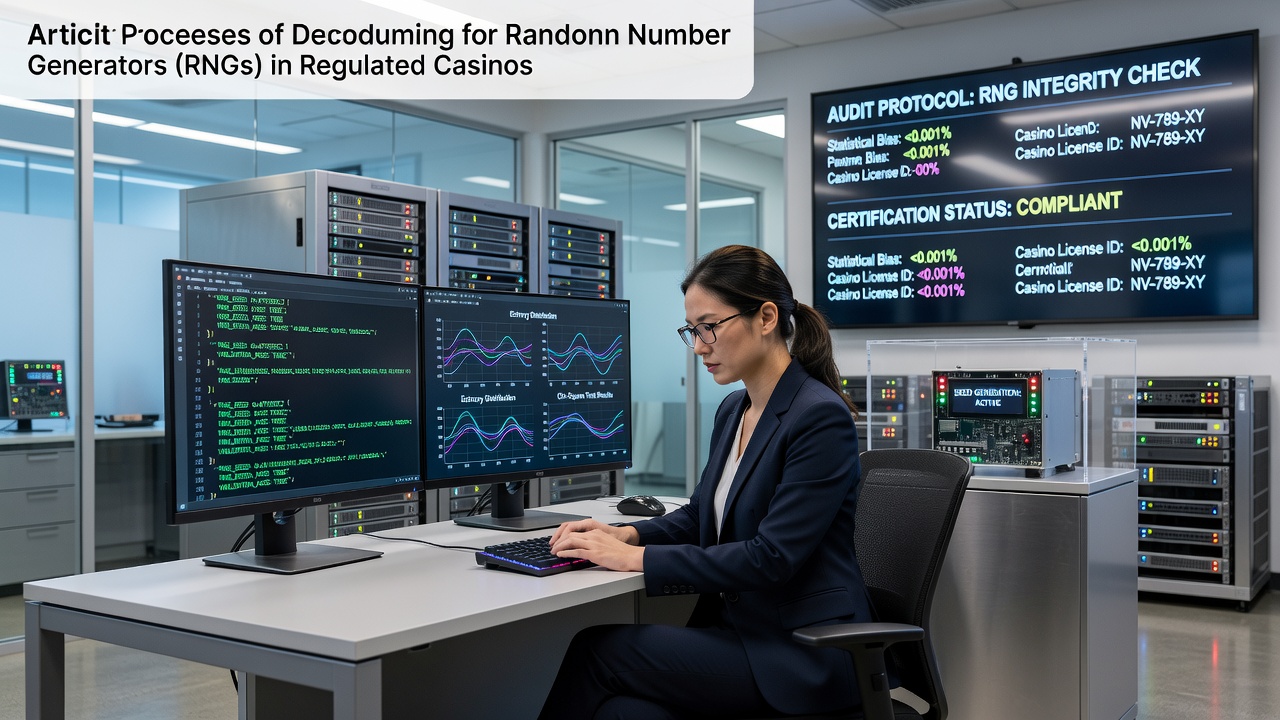
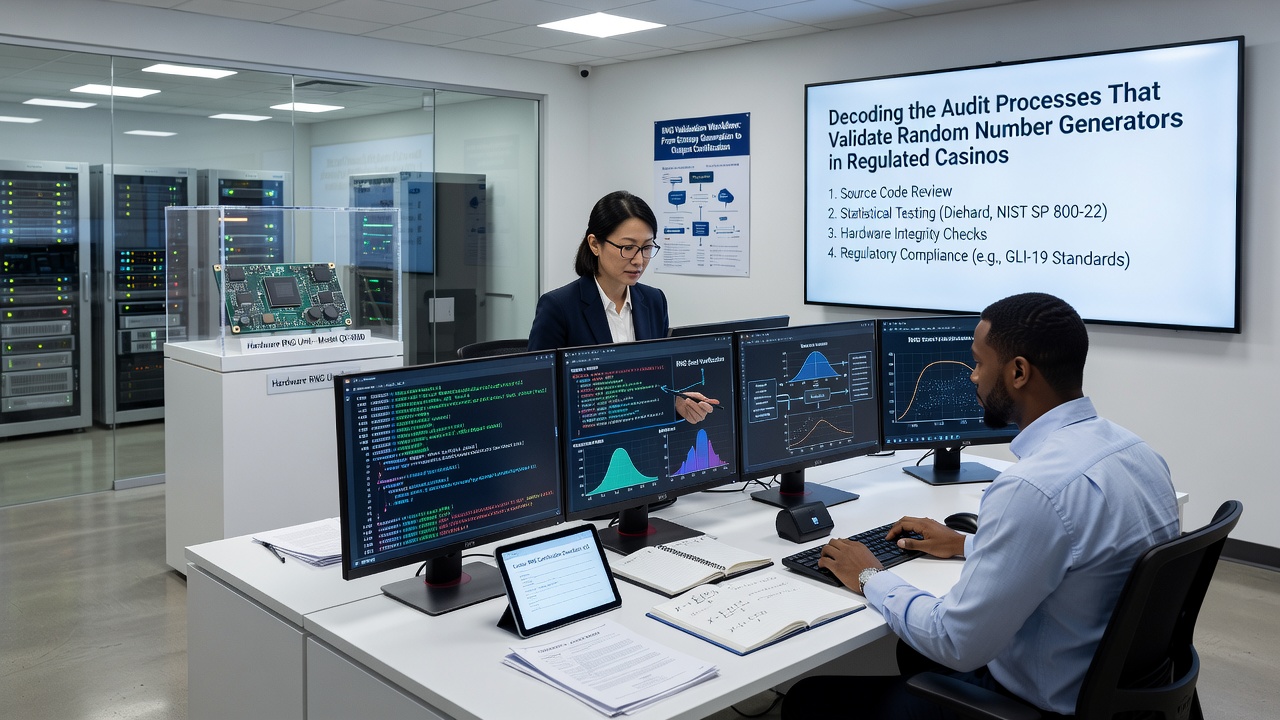
Random number generators form the backbone of fair play in regulated casinos, and audit processes exist to confirm that every outcome meets strict statistical standards. These systems produce sequences that determine game results, so regulators require independent verification before any software goes live. Testing labs apply suites of statistical tests that check uniformity, independence, and unpredictability across millions of draws, and they document every step for ongoing compliance reviews.
Core Standards Behind RNG Validation
Regulators across multiple jurisdictions reference frameworks such as those developed by the National Institute of Standards and Technology together with gaming-specific guidelines from bodies like the Nevada Gaming Control Board. These standards outline minimum requirements for both hardware and software generators, including cycle length, seed management, and resistance to prediction. Observers note that labs must demonstrate the generator passes at least 90 percent of the required test battery before any certification is issued.
The Step-by-Step Audit Workflow
A typical validation begins with source code review, where examiners trace how the algorithm initializes, reseeds, and outputs values. Next comes the statistical evaluation phase that runs chi-square, runs, and serial correlation tests on large sample sets. After initial approval, periodic re-testing occurs at intervals set by the licensing authority, often quarterly or after any software update. Data shows that failures at this stage trigger immediate suspension of the affected games until corrections are verified.
Independent Laboratories and Their Role
Accredited testing facilities such as Gaming Laboratories International and iTech Labs perform the bulk of these evaluations under contracts with state and national regulators. Each lab maintains ISO 17025 accreditation, which ensures consistent methodology and traceable documentation. One study from a European research consortium found that cross-lab comparisons reduced false-positive certifications by nearly 40 percent when identical test vectors were shared.
Regulatory Oversight Across Regions
North American authorities coordinate through organizations like the Association of Gaming Equipment Manufacturers, while European regulators align under the European Gaming and Betting Association guidelines. In October 2026 several Canadian provinces introduced synchronized audit protocols that require real-time logging of RNG outputs to a central regulator portal. These changes allow faster detection of anomalies and reduce the window between discovery and corrective action.
Continuous Monitoring After Certification
Once a generator receives initial approval, casinos must maintain audit trails that regulators can access on demand. Automated monitoring tools flag deviations from expected distribution patterns, and any alert above a predefined threshold prompts an unscheduled inspection. Reports from the New Jersey Division of Gaming Enforcement indicate that such continuous oversight caught three separate anomalies in 2025, each resolved before player funds were affected.
Challenges in Modern RNG Auditing
Quantum-resistant algorithms and cloud-based generators present new test requirements because traditional statistical suites may not capture all failure modes. Researchers at a major Australian university published findings showing that certain machine-learning predictors could exploit weaknesses in older linear congruential generators, prompting several jurisdictions to mandate quantum-safe alternatives by 2027. Labs now incorporate adversarial testing alongside classical methods to address these emerging risks.
Conclusion
Audit processes that validate random number generators combine code inspection, statistical rigor, and ongoing surveillance to maintain integrity across regulated casinos. Data from multiple international sources confirms that structured verification reduces outcome predictability and supports player confidence. As technology evolves, regulators continue to refine test protocols, ensuring that certification remains aligned with both current and anticipated threats.